
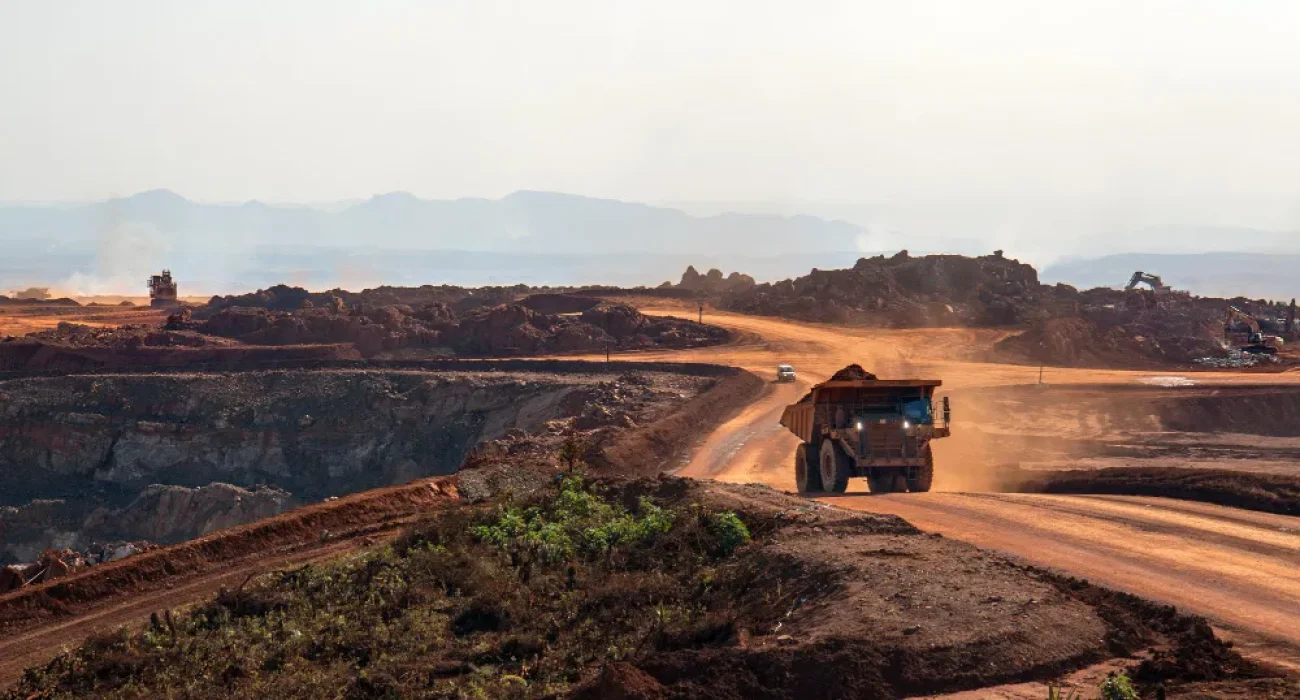
As the global mining industry evolves, companies are tasked with finding a balance between productivity and sustainability. The days when extraction could be pursued in a vacuum are long gone; today, miners must navigate a complex ecosystem of stakeholder expectations, environmental mandates, and social responsibilities. Achieving this balance requires a holistic framework that goes far beyond simple extraction processes. To thrive in this new era, we define the transition toward modern, responsible operations through four core pillars.
1. Human Safety: The Absolute Priority
Protecting the lives and well-being of mine workers and surrounding communities is, and must always be, the absolute priority of any mining enterprise. Safety is the moral foundation upon which all other operational goals are built.
In a modern framework, this involves more than just the mandatory use of Personal Protective Equipment (PPE). It necessitates a comprehensive approach to risk mitigation, including the systematic reduction of exposure to hazardous materials and chemicals that have traditionally been prevalent in gold processing. True safety is achieved by fostering a proactive culture of awareness, where every level of the operation—from management to the field technician—is invested in the health and security of their colleagues and the neighboring community.
2. Environmental Stewardship: Protecting the Social License
Minimizing the ecological footprint of mining activities is not just an ethical obligation; it is essential for the industry’s social license to operate. Local communities and global regulators alike demand that mining operations demonstrate clear respect for the land, water, and air they inhabit.
Proactive environmental stewardship includes rigorous water management strategies to prevent depletion or pollution of local sources, as well as dedicated efforts toward soil protection and biodiversity preservation. Central to this pillar is the adoption of innovative technologies that prevent environmental contamination at the source. By replacing legacy, high-risk processes with modern, safer alternatives, operators can ensure that their environmental impact is managed, minimized, and transparent.
3. Regulatory Compliance: Building Long-Term Trust
Meeting and exceeding both national and international standards is vital for any organization looking to scale its operations. Regulatory landscapes are becoming increasingly complex, and the cost of non-compliance—both in terms of legal penalties and reputational damage—is higher than ever.
A commitment to compliance does more than just satisfy the law; it reduces operational legal risks and builds long-term confidence among stakeholders, including government bodies, local communities, and global partners. When a mining company proactively aligns itself with higher standards, it positions itself as a reliable, predictable, and trustworthy entity, which can streamline permitting processes and enhance the company’s credibility in the eyes of the public.
4. Business Sustainability: Resilient Models for the Future
True sustainability means creating resilient, efficient, and transparent business models that do not rely on short-term exploitation. In the context of 2026, business sustainability is linked directly to responsible innovation.
By investing in cleaner engineering and smarter processing methods, mining operators can attract strategic investment from a global capital pool that increasingly favors ESG-compliant projects. Furthermore, a sustainable business model is inherently more efficient; it reduces waste, optimizes resource use, and creates a more stable operational environment. This long-term viability ensures that mining projects remain profitable and supported by their communities for the entirety of their lifecycle.
Achieving Synergy
Responsible Mining is not about choosing between profit and the planet; it is about achieving both through better science, smarter engineering, and a continuous commitment to improvement. By integrating these four pillars, mining companies can move toward a future where operational success is a direct reflection of their ethical commitment. The transition may require initial investment and a shift in mindset, but it is the only framework that guarantees an enduring and successful future in the modern mining landscape.